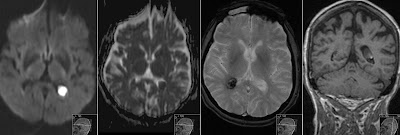
New Case on Radiant Pixels: Unpacking a Classic Developmental Venous Anomaly (DVA)

A new case presentation is now live on the Radiant Pixels YouTube channel. In this session, we walk through an excellent example of a normal vascular anatomical variant that frequently catches the eye during routine scans: a Developmental Venous Anomaly (DVA) located in the cerebellum.
When evaluating a suspected DVA, a systematic, multi-sequence approach is essential to confirm the diagnosis and rule out complications. Here is a brief summary of the key diagnostic imaging points highlighted in the video:
Non-Enhanced CT: The anomaly may initially present as a subtle high-density structure, prompting further MR investigation.
Standard MRI (T1, T2, FLAIR): Look for a tubular structure exhibiting the classic "caput medusae" configuration—a cluster of small branching vessels. These typically show a low signal on T2 and FLAIR. Crucially, the surrounding brain parenchyma should appear anatomically normal, lacking any signs of gliosis, volume loss, or old infarctions.
Time-of-Flight (ToF) Angiography: Useful for confirming the venous nature of the structure by demonstrating an absence of high-velocity arterial flow.
Contrast-Enhanced Imaging: Provides definitive, clear visualization of the caput medusae and the thicker stem draining into the venous sinuses (in this case, toward the tentorial venous sinuses).
Susceptibility-Weighted Imaging (SWI): This is arguably the most critical sequence. SWI, especially when viewed alongside Maximum Intensity Projections (MIP) with thicker slices, vividly displays the venous architecture as dark structures. Most importantly, its high sensitivity to hemosiderin deposits is essential for confirming the absence of associated hemorrhage.
DVAs are highly prevalent, typically benign, and are routinely reported as incidental findings without clinical significance. Long-time readers of this blog might even recall a strikingly similar case of a cerebellar DVA published here many years ago. The recurrence of such findings underscores just how common these variants are in daily radiological practice.

Head over to the Radiant Pixels channel to watch the full case review. If you find the presentation useful, consider liking the video and subscribing to the channel for more case studies.